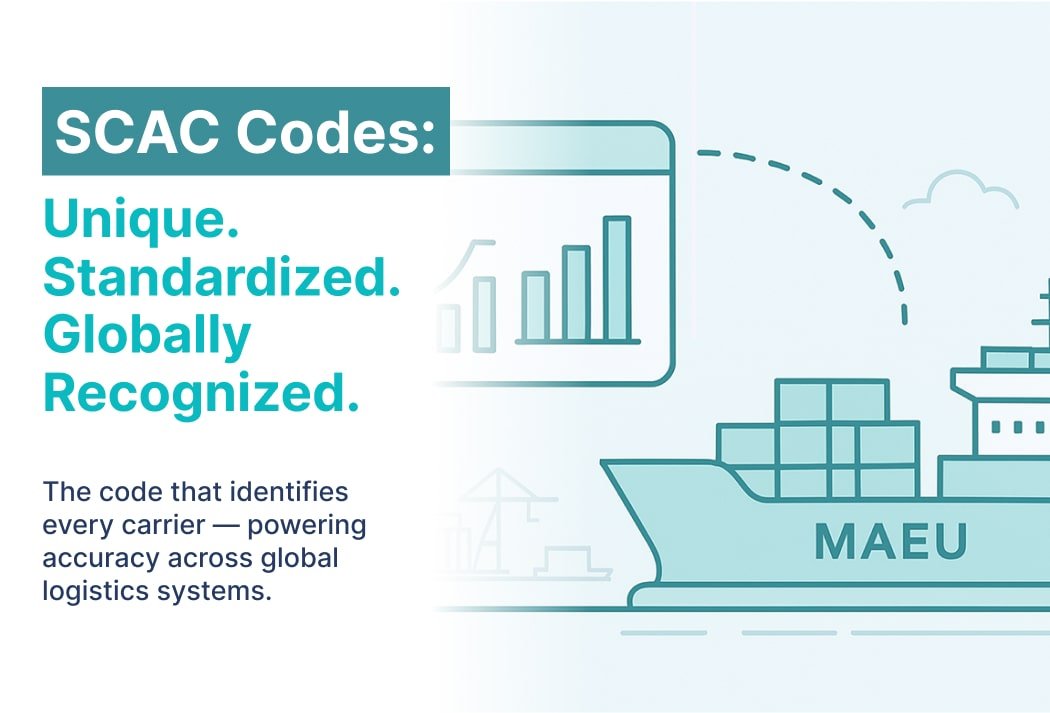
In global logistics, every shipment moves through a highly coordinated network of carriers, transport providers, and regulatory systems. To keep this movement seamless and error-free, standardized identification becomes essential—and that is where the Standard Carrier Alpha Code plays a critical role. From customs documentation to tracking visibility, SCAC codes ensure that every carrier is uniquely recognized within the supply chain. As companies embrace digital solutions and automated workflows, the relevance of SCAC identification continues to grow, especially for importers, exporters, and logistics professionals who rely on accuracy across every stage of freight movement.
What Is the Standard Carrier Alpha Code?
The Standard Carrier Alpha Code (SCAC) is a unique two-to-four-letter identifier assigned to transportation companies in North America. Created and maintained by the National Motor Freight Traffic Association (NMFTA), this code standardizes how carriers are recognized in shipping documents, EDI transactions, port systems, and customs procedures.
Whether a business works with ocean carriers, trucking companies, rail operators, or intermodal partners, the SCAC acts like a digital fingerprint that ensures smooth communication across multiple logistics channels. For U.S. imports and exports, SCAC codes are particularly crucial because agencies like U.S. Customs and Border Protection (CBP) rely on them for automated manifest processes and security filings.
Why the Standard Carrier Alpha Code Matters in Logistics
In international trade and multimodal shipping, accuracy is non-negotiable. A slight error in carrier identification can delay customs processing, create tracking discrepancies, or lead to compliance issues. The importance of the Standard Carrier Alpha Code extends across several logistics functions:
1. Compliance in Cross-Border Shipments
SCAC codes are mandatory for carriers filing AMS, ACE, and other CBP-regulated documents. They ensure that customs authorities can match shipments to the correct transportation provider without manual intervention.
2. Clear Carrier Identification
With thousands of transport companies operating globally, using a standardized code avoids confusion caused by similar company names. Each SCAC is unique, which makes record-keeping, documentation, and communication more accurate.
3. Efficient EDI Processes
Electronic Data Interchange (EDI) is the backbone of modern logistics. SCAC codes are required in documents such as bills of lading, freight invoices, delivery orders, and status updates. Without a valid code, automated systems may reject transactions.
4. Tracking and Coordination
From freight visibility tools to booking systems, many platforms use SCAC codes to ensure data is pulled from the correct carrier database. As digital adoption grows, the Standard Carrier Alpha Code becomes even more crucial for reliable shipment tracking and operational transparency.
How to Perform a SCAC Lookup
Finding or verifying a SCAC is a simple but essential step, especially when onboarding new carriers or preparing documentation. Here are a few ways to perform a SCAC code lookup:
Using NMFTA Database
The NMFTA maintains the official and most accurate list of active SCAC codes. Businesses can search the database to confirm whether a carrier has a valid and up-to-date SCAC.
Carrier Websites and Documentation
Many carriers list their SCAC on bills of lading, tracking pages, service contracts, or customer notices. This is useful when verifying codes for frequent partners.
Logistics Platforms and Aggregators
Digital cargo management tools, booking systems, and aggregator solutions often incorporate SCAC validation features. Platforms like the FreightMango freight platform consolidate carrier data, making it easier for shippers to ensure their documentation is accurate during bookings, rate comparisons, and shipment tracking.
Public References and Industry Resources
Trusted logistics websites, industry directories, and reference pages—such as SCAC lists published by transport associations—offer quick lookup support. However, for compliance-related purposes, NMFTA remains the most authoritative source.
SCAC Code Structure: How It Works
A Standard Carrier Alpha Code typically includes two to four letters. While the structure varies slightly by mode of transport, there are general guidelines:
- Two-letter SCAC codes often belong to rail carriers
- Four-letter codes are commonly used by trucking and ocean carriers
- The final letter “U” is traditionally used for container owners
- The letter “X” may be assigned to privately owned railway cars
- This structured format ensures proper classification and prevents overlap across different carrier types.
Share Your Thoughts
Post


 Continue with Google



 Get instant quote
and compare offers in real time
Get instant quote
and compare offers in real time